



Science in Everyday Life - Linking Whys and Hows
When you open a soda bottle and see bubbles rushing out, or when you play cricket and notice the ball slowing down, you are watching science in action. Science is not limited to laboratories. It is present in kitchens, classrooms, playgrounds, and markets. The aim of science is to explain everyday events by asking why they happen and how they work. This lesson shows how daily experiences connect with scientific ideas.
-
Edit here for caption -
Edit here for caption
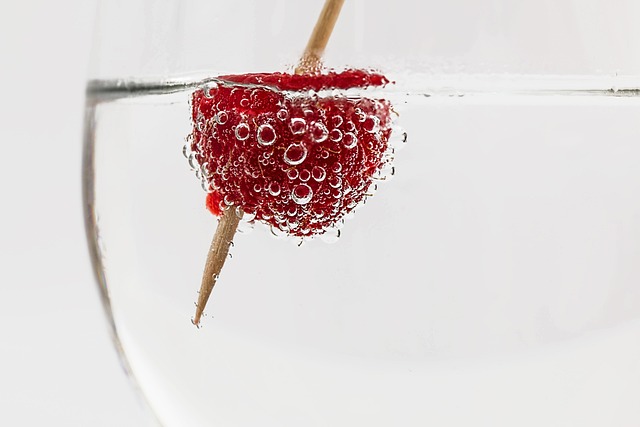

Science at home
Science is always present in the home, often in the kitchen. Cutting an onion makes our eyes water. This is because the cells of the onion release a gas when cut. The gas mixes with the water in our eyes to form a mild acid, which causes a stinging feeling and tears. Another common example is milk. Milk spoils much faster in summer than in winter. Warmth allows microbes to grow rapidly. These microbes act on the sugar in milk and produce acids, which make the milk curdle. This is why refrigeration is important in hot weather. Cooking, cleaning, and even boiling water all involve science, though we may not notice it at first.
Science in the playground
Playgrounds are full of science in motion. A football that is kicked will not roll forever. The ball slows down and finally stops because friction from the ground and air resists its motion. Friction is the force that opposes movement between surfaces. A basketball bounces higher when it is fully inflated because the compressed air inside pushes back strongly when the ball hits the ground. When the ball is not well inflated, less air pressure means less bounce.
Patterns in nature
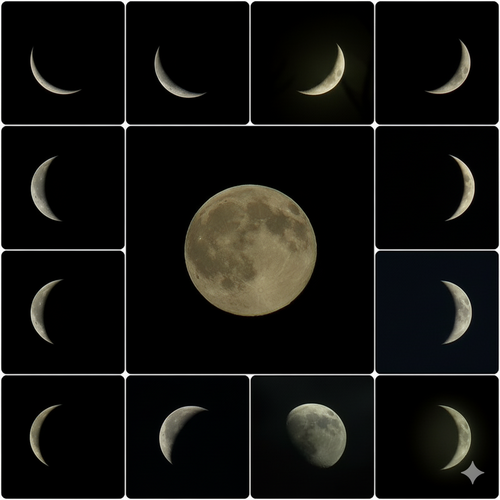
Nature shows patterns that can be explained by science. Shadows change their length and direction depending on the position of the Sun. This happens because light travels in straight lines. When the Sun is overhead, shadows are short. When the Sun is low, shadows are long. Another pattern is the phases of the Moon. The changing shapes we see are caused by the positions of the Earth, the Sun, and the Moon. Half of the Moon is always lit by sunlight, but the part we see from Earth changes as the Moon revolves around us.
Technology and society
Science does not stay in books. It shapes our society. The electricity that powers homes comes from the scientific study of electrons and energy. Mobile phones that we use daily combine physics for signals, chemistry for batteries, and digital technology for communication. Clean water systems in cities use science to keep water safe. Filtration removes dirt, and chlorination kills germs. Both are based on principles of chemistry and biology. Without science, safe water and modern communication would not be possible.

Interconnectedness of science
Everyday events often need more than one subject of science for a full explanation. Cooking rice is a good example. Chemistry explains how the starch inside the rice grains absorbs water and swells. Physics explains how heat moves from the flame to the pot and then to the rice. Biology explains why cooked rice gives nutrition to the body. This shows that physics, chemistry, and biology are not separate in real life. They are connected and together help us understand the world.

| Summary of Science in Everyday Life - Linking Whys and Hows |
|
Review questions of Everyday Life - Linking Whys and Hows
- Give one example each of science at home, in nature, and in technology.
- How do clean water systems show the use of science in society?
- Why is it important to see science as interconnected and not as separate subjects?
|
||