




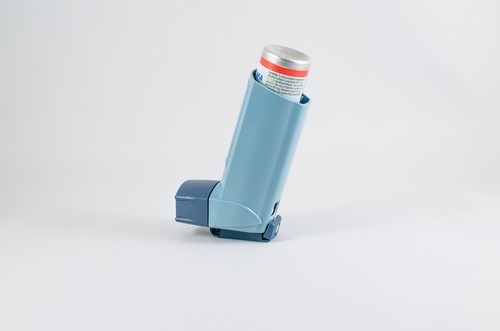
Why would someone need an inhaler?
This inhaler can help ease the symptoms of asthma. Tightness in the chest and difficulty breathing are common signs of an asthma attack that medicine can usually control.
Diseases of the Respiratory System
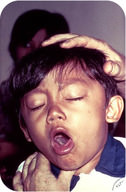
Respiratory diseases are diseases of the lungs, bronchial tubes, trachea, nose, and throat (Figure below). These diseases can range from a mild cold to a severe case of pneumonia. Respiratory diseases are common. Many are easily treated, while others may cause severe illness or death. Some respiratory diseases are caused by bacteria or viruses, while others are caused by environmental pollutants, such as tobacco smoke. Some diseases are genetic and, therefore, are inherited.
 [Figure2]
Bronchitis
Bronchitis is an inflammation of the bronchi, the air passages that conduct air into the lungs. The bronchi become red and swollen with infection. Acute bronchitis is usually caused by viruses or bacteria, and may last several days or weeks. It is characterized by a cough that produces phlegm, or mucus. Symptoms include shortness of breath and wheezing. Acute bronchitis is usually treated with antibiotics.
Asthma
Asthma is a chronic illness in which the bronchioles, the tiny branches into which the bronchi are divided, become inflamed and narrow (Figure below). The muscles around the bronchioles contract, which narrows the airways. Large amounts of mucus are also made by the cells in the lungs. People with asthma have difficulty breathing. Their chests feel tight, and they wheeze. Asthma can be caused by different things, such as allergies. Asthma can also be caused by cold air, warm air, moist air, exercise, or stress. The most common asthma triggers are illnesses, like the common cold. Asthma is not contagious and cannot be passed on to other people. Children and adolescents who have asthma can still lead active lives if they control their asthma. Asthma can be controlled by taking medication and by avoiding contact with environmental triggers for asthma, like smoking.
 [Figure3]
Pneumonia
Pneumonia is an illness that occurs when the alveoli, the tiny sacs in the lungs where gas exchange takes place, become inflamed and filled with fluid. When a person has pneumonia, gas exchange cannot occur properly across the alveoli. Pneumonia can be caused by many things. Infection by bacteria, viruses, fungi, or parasites can cause pneumonia. An injury caused by chemicals or a physical injury to the lungs can also cause pneumonia. Symptoms of pneumonia include cough, chest pain, fever, and difficulty breathing. Treatment depends on the cause of pneumonia. Bacterial pneumonia is treated with antibiotics.
Pneumonia is a common illness that affects people in all age groups. It is a leading cause of death among the elderly and people who are chronically and terminally ill.
Tuberculosis
Tuberculosis (TB) is a common and often deadly disease caused by a genus of bacterium called Mycobacterium. Tuberculosis most commonly attacks the lungs but can also affect other parts of the body. TB is a chronic disease, but most people who become infected do not develop the full disease. Symptoms include a cough, which usually contains mucus and coughing up blood.
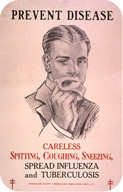
The TB bacteria are spread in the air when people who have the disease cough, sneeze, or spit, so it is very contagious. To help prevent the spread of the disease, public health notices, such as the one pictured below (Figure below), remind people how to stop the spread of the disease.
 [Figure4]
Lung Cancer
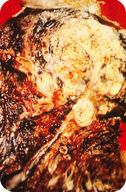
Lung cancer is a disease in which the cells found in the lungs grow out of control. The growing mass of cells can form a tumor that pushes into nearby tissues. The tumor will affect how these tissues work. Lung cancer is the most common cause of cancer-related death in men, and the second most common in women. It is responsible for 1.3 million deaths worldwide every year (Figure below). The most common symptoms are shortness of breath, coughing (including coughing up blood), and weight loss. The most common cause of lung cancer is exposure to tobacco smoke.
 [Figure5]
Emphysema
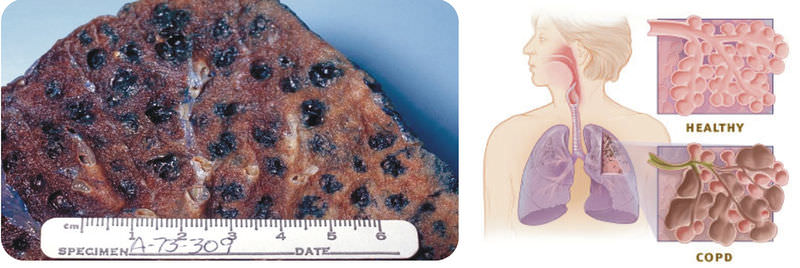
Emphysema is a chronic lung disease caused by the breakdown of the lung tissue. Symptoms of emphysema include shortness of breath, especially during exercise, and chronic cough, usually due to cigarette smoking, and wheezing, especially during expiration. Damage to the alveoli (Figure below), is not curable. Smoking is the leading cause of emphysema.
 [Figure6]
Causes of Respiratory Diseases
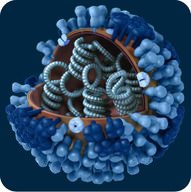
Many respiratory diseases are caused by pathogens. A pathogen is an organism that causes disease in another organism. Certain bacteria, viruses, and fungi are pathogens of the respiratory system. The common cold and flu are caused by viruses. The influenza virus that causes the flu is pictured below (Figure below). Tuberculosis, whooping cough, and acute bronchitis are caused by bacteria. The pathogens that cause colds, flu, and TB can be passed from person to person by coughing, sneezing, and spitting. Illnesses caused by bacteria can be treated with antibiotics. Those caused by viruses cannot.
 [Figure7]
Pollution is another common cause of respiratory disease. The quality of the air you breathe can affect the health of your lungs. Asthma, heart and lung diseases, allergies, and several types of cancers are all linked to air quality. Air pollution is not just found outdoors; indoor air pollution can also be responsible for health problems.
Smoking is the major cause of chronic respiratory disease as well as cardiovascular disease and cancer. Exposure to tobacco smoke by smoking or by breathing air that contains tobacco smoke is the leading cause of preventable death in the United States. Regular smokers die about 10 years earlier than nonsmokers do. The Centers for Disease Control and Prevention (CDC) describes tobacco use as "the single most important preventable risk to human health in developed countries and an important cause of [early] death worldwide." Simply stated: Stopping smoking can prevent many respiratory diseases.
Summary
- Common diseases and conditions affecting the respiratory system include asthma, bronchitis, lung cancer, tuberculosis, and emphysema.
- Pollution, smoking, and pathogens can also contribute to diseases of the respiratory system.
Explore More
Use the resource below to answer the questions that follow.
- Understanding COPD - https://www.youtube.com/watch?v=T1G9Rl65M-Q
- What is COPD? What breathing conditions does it describe?
- What is the leading cause of COPD?
- Why is it important for people with COPD to keep their vaccinations up to date?
- How do the alveoli in a normal lung compare to those in someone with COPD?
Review
- What parts of the body can be affected by respiratory system diseases?
- How does asthma affect the lungs?
- What is the most common cause of lung cancer?
- Identify two things besides smoking that can cause a respiratory disease.


