Sugar consumption up. Global temperatures up. Is one causing the other?
Is the rise in sugar consumption in America causing average global temperature to rise? Are rising temperatures causing people to eat more sugar? Both of these factors are rising but are they related by correlation, causation, or both?
Correlation
We made a few discoveries in the previous sections:
Average global temperature has been rising for the past several decades.
Atmospheric carbon dioxide levels have been rising for the past several decades.
Carbon dioxide emissions into the atmosphere from fossil fuel burning have been rising for the past several decades.
We see a correlation. A correlation is the mutual relationship between two or more things. CO2 emissions from fossil fuel burning, atmospheric CO2 levels, and average global temperatures are all rising. They exhibit positive correlation because they are all going in the same direction. If one factor rises while another sinks they have negative correlation.
Causation
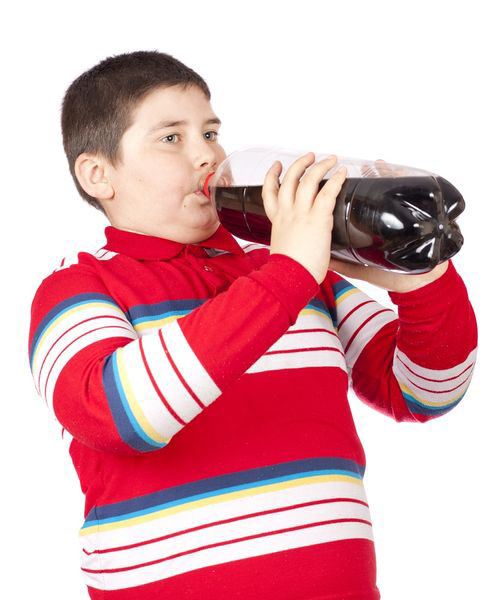
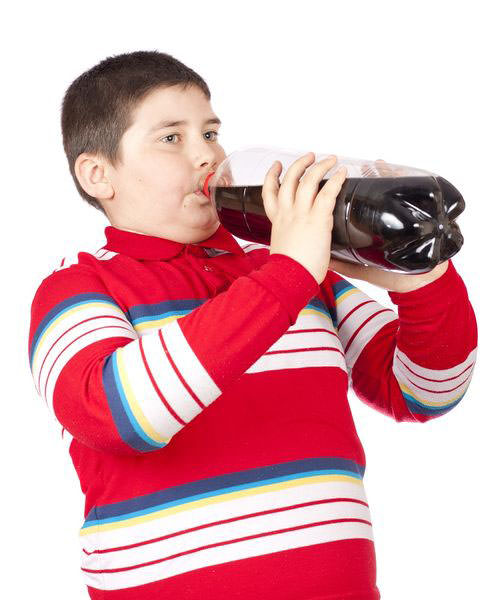
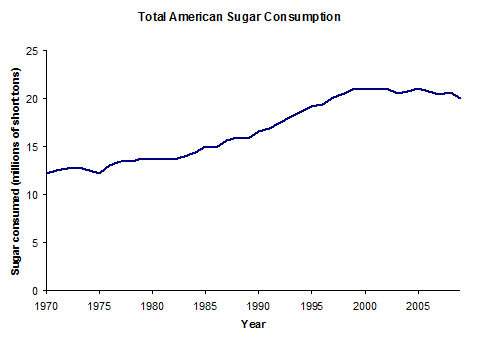
But correlation does not necessarily indicate causation. To explain the difference, let’s look at an example. Sugar consumption in the United States has also been rising for decades. This is positively correlated with rising average global temperatures.
American consumption of caloric sweeteners (sugar), 1970-2009.
Is the rise in sugar consumption causing the rise in global temperatures or vice versa? While this isn't impossible; it's extremely unlikely. There’s no mechanism for one to increase the other. Here there is correlation, not causation.
Causation refers to the factor that is producing the effect. To establish causation we need to know how one would cause the other.
Here is a brief outline of the way an increase in CO2 can increase global temperatures. Climate change science is dealt with extensively in later concepts.
Greenhouse gases in the atmosphere trap heat. This is natural and good.
CO2 is a greenhouse gas.
The more greenhouse gases there are in the atmosphere, the more heat can be trapped.
The more heat that’s trapped, the warmer average global temperatures are.
Because carbon dioxide is a greenhouse gas, increased atmospheric CO2 causes average global temperatures to rise. We found one cause for rising global temperatures. There are also others.
Summary
Correlation is a comparison of two factors within a population. Correlation does not imply causation.
If one factor is responsible for the change in another factor, there is causation.
Establishing causation requires a mechanism to show how one factor can influence the other.
Burning fossil fuels releases CO2 into the atmosphere. That CO2 traps heat, which causes global temperatures to rise.
Review
Compare and contrast correlation and causation.
Sugar consumption has been rising in the U.S. for decades. Can you think of something this might be positively correlated with? Can you think of something this might be negatively correlated with? Do you know if these things share causality?
Name at least two factors that are changing as a result of the increase in sugar consumption in the U.S. Is this correlation or causation?
Vocabulary
termdefinition
causationrelationship between events in which one event causes the other event.
correlationthe mutual relationship between two or more things.
mechanismprocess by which something takes place.
negative correlationmutual relationship between two or more things in which one changes in one direction and the other changes in the opposite direction.
positive correlationmutual relationship between two or more things in which both change in the same direction.
Notes/Highlights
Color
Highlighted Text
Notes
Please Sign In to create your own Highlights / Notes


 FlexiA FREE Digital Tutor for Every Student
 FlexBooks 2.0Customizable, digital textbooks in a new, interactive platform
 FlexBooksCustomizable, digital textbooks
 SchoolsFlexBooks from schools and districts near you
 Study GuidesQuick review with key information for each concept
 Adaptive PracticeBuilding knowledge at each student’s skill level
 SimulationsInteractive Physics & Chemistry Simulations
 PLIXPlay. Learn. Interact. eXplore.
 CCSS MathConcepts and FlexBooks aligned to Common Core
 NGSSConcepts aligned to Next Generation Science Standards
 Certified EducatorStand out as an educator. Become CK-12 Certified.
 WebinarsLive and archived sessions to learn about CK-12